
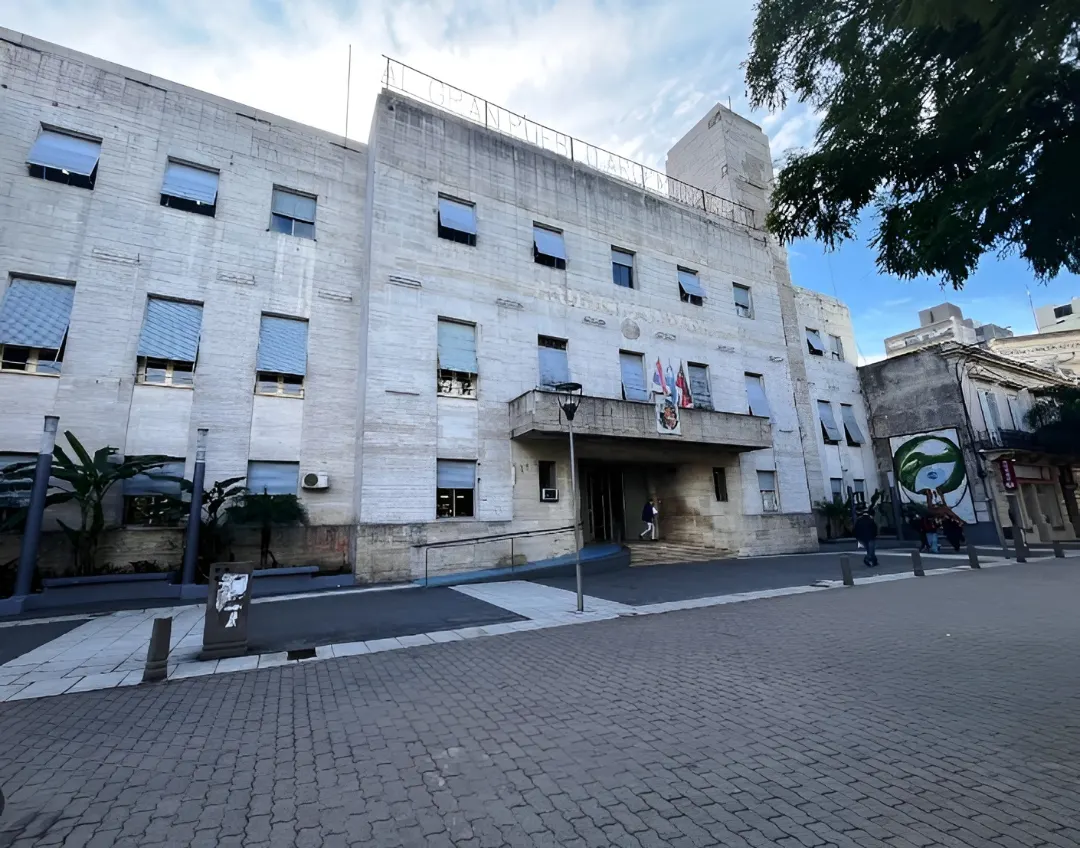
The Undersecretariat of Health, belonging to the Secretariat of Human Development of the Municipality of Concordia, met with representatives of “Familias Leonas” with the aim of establishing joint work projects focused on Attention Deficit Hyperactivity Disorder (ADHD).
The meeting was attended by Dr. María Florencia Prieto, Undersecretary of Health; the Director of Primary Health Care, Dr. Emanuel Soriano, and Carina Zeri, a member of “Familias Leonas”.
ADHD is a chronic disorder that is part of neurodevelopmental conditions, is symptomatically progressive, and affects 5-10% of the global population. The goal is to raise awareness, sensitize, and inform the population about this pathology. Some symptoms differ according to the subtype.
The Inattentive subtype: children make careless mistakes in tasks, have difficulty maintaining attention, seem not to listen when spoken to, do not finish assigned tasks or do not follow instructions, are easily distracted, and lose objects important for activities.
The Hyperactive-Impulsive subtype: moves hands and feet excessively or fidgets in their seat, leaves their seat in class, runs or jumps in inappropriate situations, talks excessively, shows excessive motor hyperactivity, and answers before the question has been completed.
In case of identifying 6 or more of these signs, in at least 2 or more social settings, for a period longer than 6 months, a neurologist or psychiatrist should be consulted. They are generally diagnosed in childhood around the age of 6.
Treatment involves a comprehensive interdisciplinary approach with psychologists, occupational therapists, psychopedagogues, and parental guidance.