
The Director of Cooperativism and Associativism, Ariel Gorostegui, met with residents of the “El Silencio” neighborhood to address various community issues and the request to conduct training aimed at improving job opportunities and strengthening the social economy in the area.
During the meeting, the Head of the Social Economy Department, Miguel Parra, was also present, along with part of his team. The residents expressed specific concerns regarding local economic development and raised the need to receive training that would allow them to integrate effectively into the labor market.
Ariel Gorostegui highlighted the importance of these initiatives for the integral development of the neighborhood: “It is essential to provide our residents with the necessary tools so they can improve their living conditions through training in social economy. This will not only strengthen the local economy, but will also foster solidarity and collaboration among the residents of the neighborhood.”
Miguel Parra, for his part, underscored the collaboration between different areas to implement these training sessions: “We will work closely with the Directorate of Cooperativism and Associativism to design programs that respond to the specific needs of the residents and promote sustainable and equitable development in the neighborhood.”
The Municipality's commitment is to advance in the planning and execution of these training activities in the short term, in line with the expectations and needs expressed by the community of the “El Silencio” neighborhood.
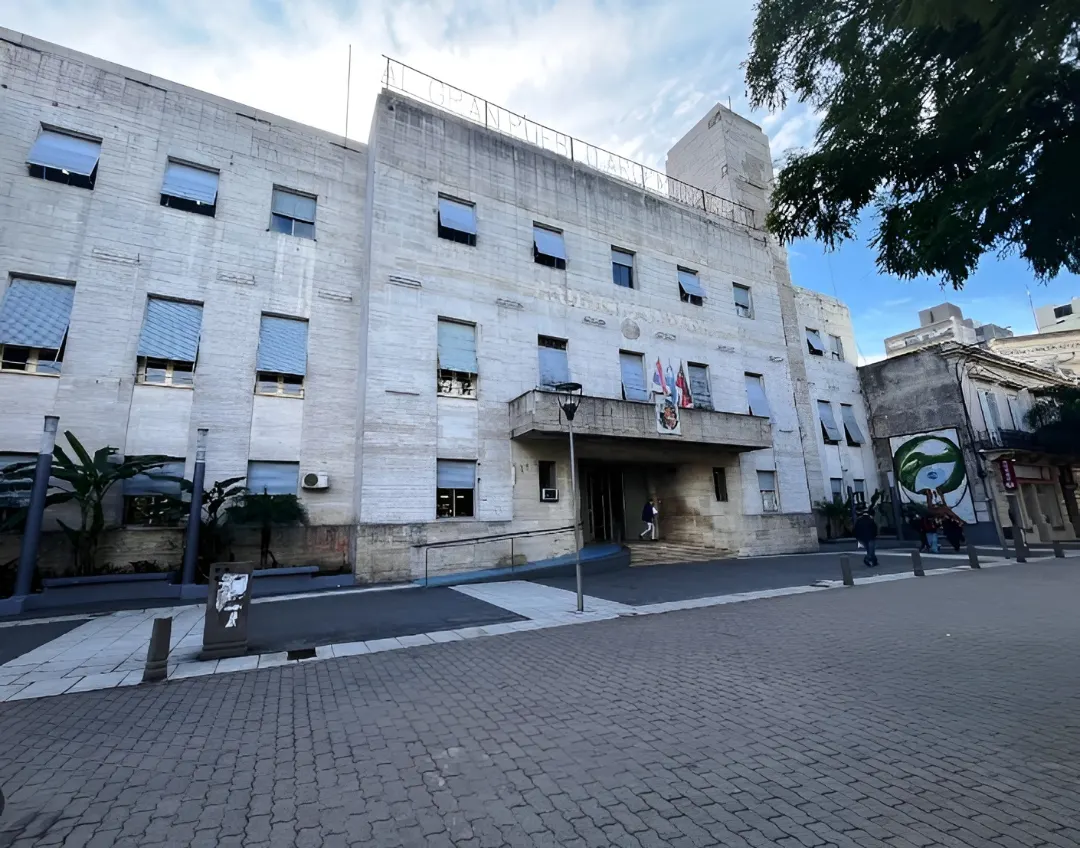
For more information on upcoming actions and programs in social economy, interested parties are invited to contact the Directorate of Cooperativism and Associativism, located at the Municipal Civic Center, from Monday to Friday, from 7 a.m. to 1 p.m.