
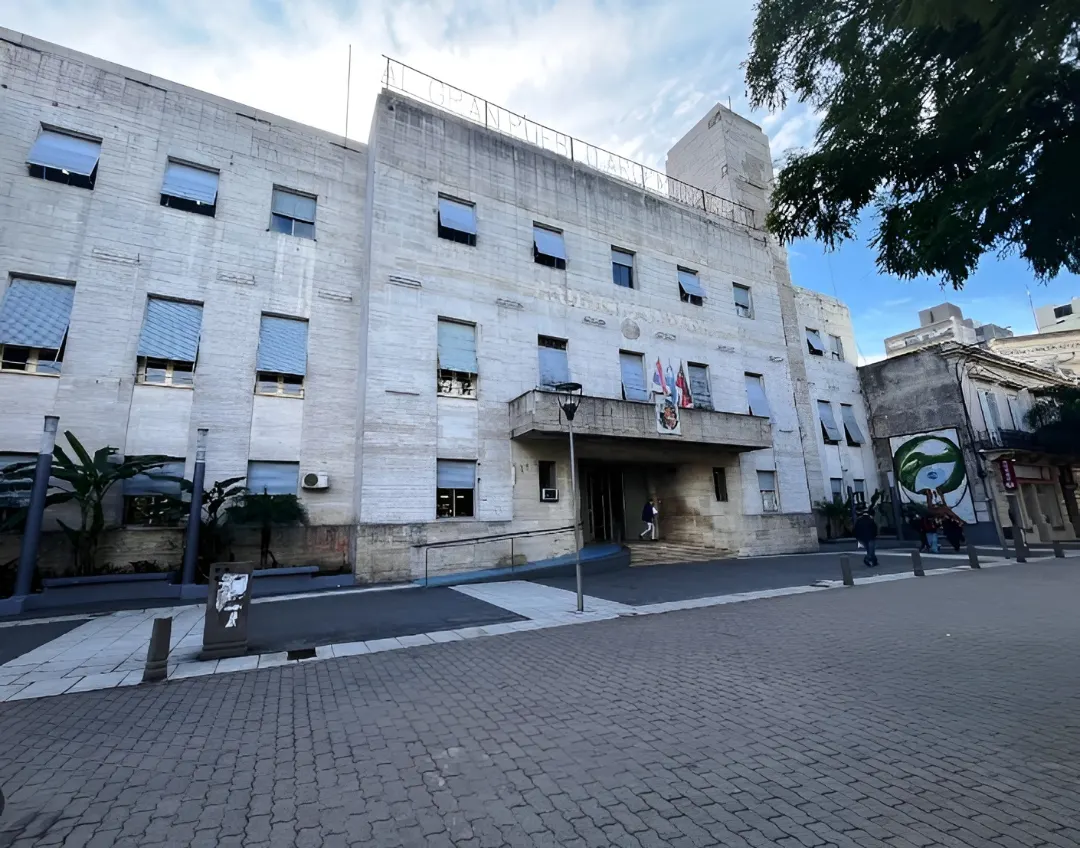
Following the presentation of the Local Human Development Board by Mayor Francisco Azcué, the Municipal Secretary of Human Development, Sebastián Arístide, explained the scope, composition, and functioning of said space.
“It is a formal space with a working methodology, tools, format, and structure so that the community in general, with the presence of NGOs, intermediary institutions, representatives of civil society, as well as agencies dependent on the Provincial and National Governments, can interact, propose, and generate actions and public policies to address various issues,” Arístide began by stating in statements to Radio Ciudadana.
Among the topics to be addressed by the different commissions are education, health, problematic substance use, violence in its various manifestations, and early childhood. “The objective is to debate medium and long-term policies on issues that affect us today and are topics that cause us pain.”
The Local Human Development Board will act as coordinator for these different commissions, with an advisory team “made up of institutions with which we already work, such as ANSeS, PAMI, the Provincial Council for Children, Adolescents and the Family (COPNAF), the Judiciary, the Police of Entre Ríos, and the different areas of the Municipality. These are institutions with which we have been coordinating on the various issues we encounter in the neighborhoods.”
It is established that the Board will hold periodic meetings to determine action protocols for cases as they are detected in the city. “This requires joint actions because a single agency or an institution in isolation cannot provide a response to all cases; we need to reach an agreement,” Arístide remarked.