
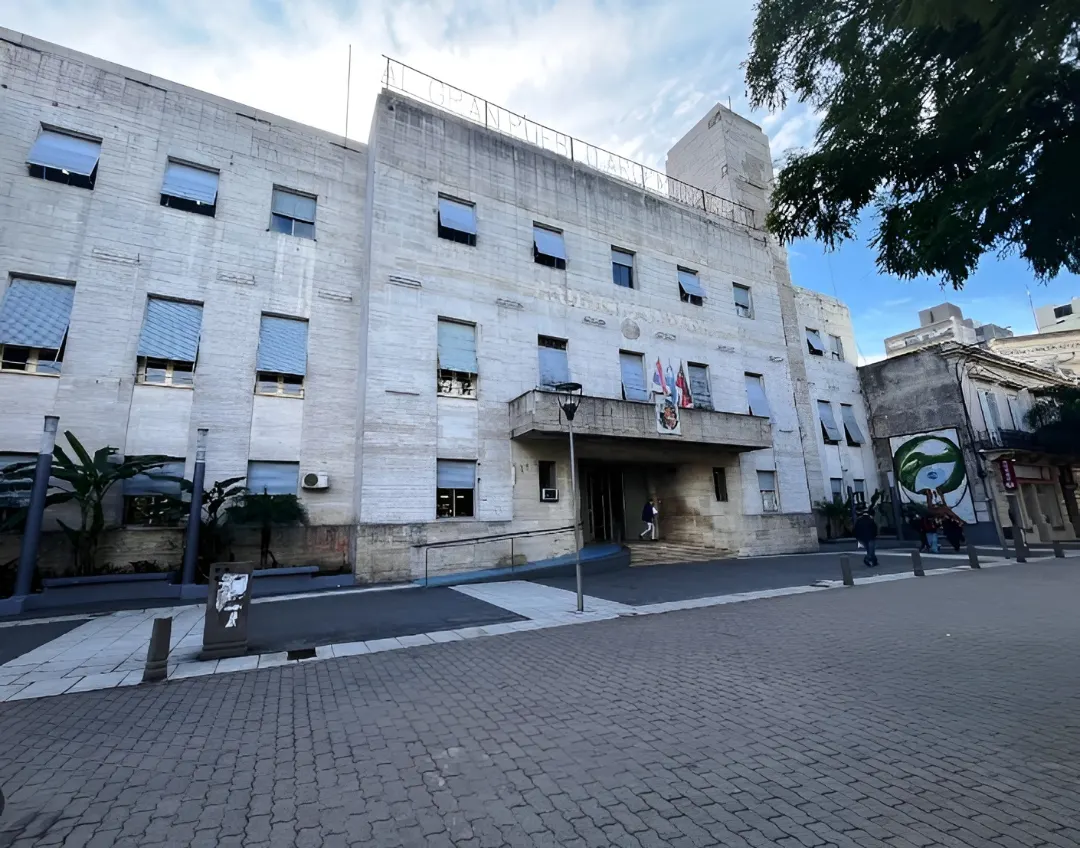
The Municipality of Concordia has taken an important step in the Comprehensive Logistics and Productive Development Plan for the city and the region. Progress was made in the selection of the firm SERMAN & Asociados for the execution of the technical, environmental, regulatory, and economic feasibility study of the project, which includes the River Port, the Logistics Activities Zone, and the expansion of the Industrial Park. The contract will be signed in September with the Provincial Executing Unit (UEP) by mandate of the Inter-American Development Bank (IDB).
SERMAN & Asociados was chosen from among 16 consulting firms that submitted their proposals. The firm has more than 30 years of experience in Argentina and Latin America, and specializes in engineering, economics, and the environment, with strong expertise in port projects, river transport, and land-use planning.
The project, promoted by the municipality's Secretariat of Productive Development together with private actors and business chambers, seeks to consolidate Concordia as a strategic node of the MERCOSUR corridor, strengthening local productive chains, generating conditions for new investments, and improving the region's competitiveness.
The Barge Port is projected as a modern infrastructure, suitable for operating containers and different types of cargo—solid and liquid bulk—interconnected with roads and railways. Its implementation will allow for the recovery of Concordia's historic port status and take advantage of river transport, recognized as the most economical and sustainable means for moving large volumes of merchandise over long distances, with low accident rates and lower environmental impact.
The Logistics Activities Zone will play a strategic role in optimizing distribution and commercialization costs. It will feature a fiscal warehouse, packing sheds, cold storage chambers, a truck yard, and a distribution center, in addition to complementary services such as workshops, a fuel station, and rest areas. This space will be key to adding value to regional production and increasing the competitiveness of export sectors.
The Secretary of Production, Federico Schattenhofer, noted: “This is a fundamental step because it will allow us to have a serious and professional study that determines the feasibility of a project that will transform the productive and logistical matrix of Concordia. The idea is for productive sectors to have better conditions to produce, export, and generate employment.”
For his part, Mayor Francisco Azcué highlighted: “Concordia has a strategic location and enormous productive potential. With this project, we are thinking about the future: we want a city with more opportunities, that integrates into international markets and provides better working and development conditions for the residents of Concordia. The selection of the consulting firm is one more concrete step on a path that we will travel together with the private sector and the entire community.”
The Comprehensive Logistics and Productive Development Plan also contemplates the relocation of sawmills to a specific area, consolidating land-use planning that boosts production and minimizes environmental impacts.
With this decision, Concordia advances in the consolidation of a long-term project that seeks to transform the city into a reference logistics and productive hub in the Argentine littoral.